#

Atemschutz

Ob Sie beruflich oder privat tätig sind, schützen Sie sich mit unseren Atemschutzmasken vor giftigen Gasen und atmen Sie saubere Luft.

#
Filtres 16 Ergebnisse
Filtern
header
Produktkategorie
Kopfschutz
Atemschutz
Branche
Landwirtschaft - Forstwirtschaft - Fischerei
Bauwesen
Fertigungsindustrie
Nahrungsmittelindustrie
Öl & Gas (Förderung) Petrochemie Bergbau
Transport Lagerhaltung
Dienstleistungen für Unternehmen
Atemschutztyp
Risiken

Why Wear a Respiratory Mask in the Building Industry?

The importance of using respiratory protective equipment, including masks, in the building industry cannot be overemphasized. Despite being often overlooked, respiratory protection is critical to the health and safety of workers exposed to various airborne hazards.


In the building industry, workers are frequently exposed to dust, fumes, gases, vapors, and other potentially hazardous particles. These contaminants can lead to serious respiratory health problems such as lung diseases, asthma, and even cancer. Consequently, it is vital to utilize respiratory protection like masks to prevent inhalation of these harmful substances.


OSHA (Occupational Safety and Health Administration) regulations mandate the use of appropriate respiratory protective equipment to ensure the safety and health of workers. The use of respiratory masks is essential when adequate ventilation is not possible or when the concentration of hazardous substances exceeds permissible exposure limits.


Respiratory masks help filter out these airborne contaminants, allowing the wearer to breathe safely. They act as a protective barrier, ensuring the air you breathe is clean and free from harmful particles.


As a leading provider of personal protective equipment, Delta Plus is committed to offering a comprehensive range of respiratory masks suitable for use in various environments within the building industry. Whether it's for protection against dust during demolition or insulation works, or fumes from welding and painting tasks, our masks are designed to offer optimal fit, comfort, and protection.

What Are the Different Types of Breathing Masks in the Building Industry?

There is a diverse array of respiratory protective equipment tailored for different risks and exposure levels in the building industry. Notably, the two key types of masks are half-masks and filtering masks.


Half-Masks

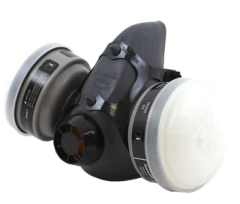
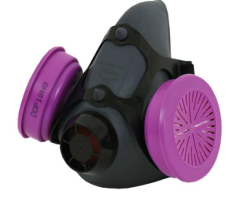
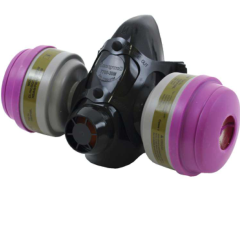
Half-mask respirators, as the name suggests, cover the nose and mouth of the wearer but leave the rest of the face exposed. They are commonly used in the building industry due to their efficiency, affordability, and ease of use. Half-masks are often employed in situations where dust, fumes, and non-toxic vapors are prevalent.


These masks work in conjunction with various cartridges to filter out specific types of contaminants. For instance, a half-mask equipped with a particulate filter would be suitable for environments with airborne dust or mists. Conversely, a half-mask with a chemical cartridge would be required for protection against harmful gases or vapors.


Filtering Masks

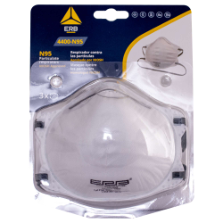
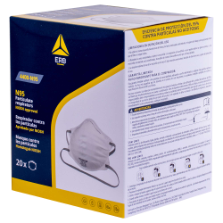
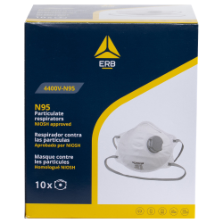
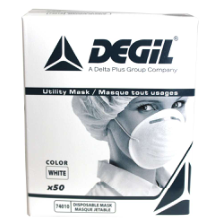
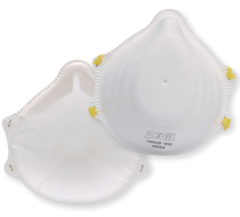
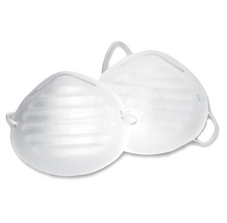
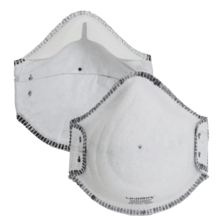
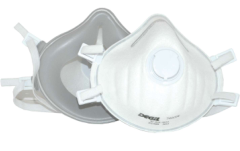
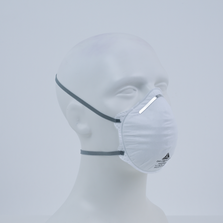
Filtering masks, also known as particulate respirators or dust masks, are generally disposable and designed to protect against particulate hazards. They are often lighter and more comfortable to wear than half-masks, making them a common choice for tasks with lower hazard levels.


These masks filter out airborne particles such as dust, mists, and fumes but are not designed to handle gases and vapors. They are typically suitable for tasks like sanding, grinding, and cutting, where dust generation is a significant concern.


Whether it's a half-mask or a filtering mask, it's important to remember that no single mask can protect against all hazards. Therefore, the selection should be based on the type of contaminant and its concentration in the workplace environment. Understanding these differences and choosing the right mask can make a significant difference in your respiratory safety and health.

What Other Accessories Should Be Associated With One's Mask?

While the mask itself is an integral component of respiratory protection, pairing it with the right accessories can significantly enhance both safety and comfort.


  • Respirator Fit Testing Kits: These kits help ensure that the mask provides an effective seal around the wearer's face. An inadequate seal can allow unfiltered air to leak into the mask, reducing its effectiveness. Therefore, conducting a fit test before using the mask is crucial for optimum protection.
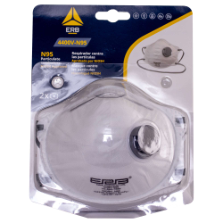
  • Exhalation Valves: These valves help to reduce heat and moisture build-up inside the mask, enhancing comfort, especially during prolonged use.
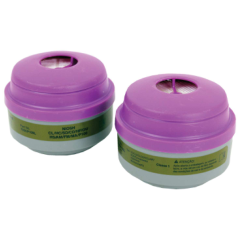
  • Cartridges and Filters: Depending on the type of mask and the nature of the hazards, different cartridges or filters may be needed. For instance, you might need a particulate filter for dust, a chemical cartridge for gases, or a combination of the two for environments with multiple hazards.
  • Respirator Cleaning Wipes: Proper hygiene is essential when using respiratory protective equipment. Cleaning wipes can help to maintain the mask's cleanliness, prolong its life, and prevent skin irritation.
  • Carrying Bags: A proper storage bag can protect the mask from contamination when it's not in use, helping to maintain its effectiveness.
  • Face Shields:  In certain circumstances, it might be necessary to pair your mask with a face shield for additional protection. This can protect the eyes and face from flying debris, splashes, or sparks, in addition to protecting the respiratory tract.


Remember, choosing the right accessories not only enhances the effectiveness of your mask but can also contribute significantly to your overall comfort and convenience at work.

Example Text

Example Rich Text