Delta Plus News The Ultimate Guide to Hard Hat Sun Protection and Heat Safety

The Ultimate Guide to Hard Hat Sun Protection and Heat Safety

A comprehensive guide from Delta Plus on optimizing your hard hat for extreme heat. Learn how to protect against UV rays, maintain OSHA compliance, and recognize sun damage to ensure complete head-to-toe safety on the job site.

#
The Ultimate Guide to Hard Hat Sun Protection and Heat Safety

A comprehensive guide from Delta Plus on optimizing your hard hat for extreme heat. Learn how to protect against UV rays, maintain OSHA compliance, and recognize sun damage to ensure complete head-to-toe safety on the job site.

#

Safety tips

Equipping your workforce for summer with innovative cooling and UV defense solutions.

Update 17.06.26

Overcoming the Hard Hat’s Sun Protection Blind Spots

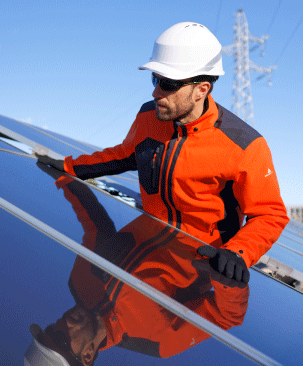
When temperatures soar to 90°F and above, wearing a standard cap-style hard hat without the proper modifications can create a dangerous microclimate of trapped heat, while simultaneously leaving your ears, face, and the back of your neck completely exposed to blistering UV rays. Because outdoor workers spend long hours looking down or operating in open areas, the back of the neck and the tops of the ears represent some of the most common sites for skin cancer. To combat this blind spot, Delta Plus recommends upgrading to full-brim hard hats that provide a 360-degree perimeter of shade, or equipping your standard hats with attachable neck sunshields and capes. When outfitting your hard hat with these physical shades, it is critical to select accessories rated UPF 50+, which block 98% of the sun’s UVA and UVB radiation. To maintain strict OSHA compliance, always verify that your chosen sunshields, brims, or capes are designed specifically for your hard hat model, ensuring they do not block peripheral vision, interfere with the suspension system, or alter the hat's dielectric properties.

Safe Cooling Solutions: From Sweatbands to Vented Helmets

The human body naturally dumps a massive amount of heat through the scalp, meaning that trapping air beneath a solid plastic shell can rapidly accelerate heat exhaustion. While the natural instinct might be to slide a cotton bandana or baseball cap underneath your hard hat to catch sweat, doing so disrupts the precisely calculated space between the outer shell and the inner suspension band. This action compromises the helmet's shock absorption capabilities and can cause it to slip off precisely when you need it most. The safe, engineered solution is to only use manufacturer-approved, low-profile cooling sweatbands or liners, such as modern water-activated evaporative fabrics that clip directly into your existing suspension system. Furthermore, safety managers must carefully evaluate helmet styles for their specific environments. Vented (Class C) hard hats allow hot air to rise and escape, making them ideal for general construction, landscaping, and road work. However, for electricians and utility workers facing high-voltage electrical arcs, Non-Vented (Class E & G) helmets are mandatory. Never sacrifice critical electrical safety for a cooling breeze; instead, rely on approved sweatbands and structured rest breaks.

The Invisible Threat of UV Degradation

A robust safety culture demands vigilant inspection of your PPE, but while workers frequently check for cracks and dents, sun damage is a critical, yet often-overlooked hazard. Prolonged exposure to intense ultraviolet (UV) radiation slowly breaks down the plastic polymers of your hard hat, making the shell increasingly brittle. This degradation means that during an impact, the helmet could shatter rather than safely deflecting the falling object. To protect your team, regularly inspect hard hats in good lighting for "UV chalking"—a distinct condition where the once-glossy finish turns dull, faded, or feels slightly rough and chalky to the touch. Finding UV chalking is a definitive sign that the hard hat has lost its structural integrity and must be thrown away and replaced immediately.

#

At Delta Plus, we know that summer safety requires much more than simply drinking water; it demands a critical, ongoing evaluation of the protective gear you wear every single day. By addressing your hard hat's blind spots with UPF accessories, utilizing approved cooling liners, and vigilantly inspecting your equipment for UV damage, you can effectively protect your team from the sun without ever compromising their safety on impact. Trust in Delta Plus to provide the innovative, compliant, and comfortable solutions you need to transform workplace data into a proactive culture of prevention.

News

Expertise #
7/14/26 2:32 PM

Hand Protection Safety: Protecting Your Most Valuable Tools

Empowering Your Workforce with High-Performance Glove Solutions
Expertise #
7/6/26 3:46 AM

Beyond Compliance: 3 Critical Safety Indicators Every Manager Must Track

A truly safe workplace doesn’t simply react to accidents after they happen; it actively predicts and prevents them. In global industrial environments, managing risk effectively requires looking closely at the data left behind by daily operations. Safety metrics are not just a tool for compliance, but a direct reflection of your workforce's health, confidence, and ultimate operational performance.
Expertise #
6/10/26 2:28 AM

Beat the Heat: Essential PPE for High-Temperature Jobsites

How Innovative Fabric Technology and Ergonomic Design Redefine Safety in Extreme Temperatures