#

Ochrona mechaniczna dla ciężkich prac

Nosisz ciężkie ładunki przez cały dzień w pracy? Sprawdź nasze wytrzymałe rękawice Delta Plus. Jakość i niezawodność gwarantowana.

#
Filtres 6 Results
Filtruj
header
Kategoria produktu
Ochrona rąk
Ochrona mechaniczna dla ciężkich prac
Sektor działalności
Rolnictwo Przemysł drzewny Rybołówstwo
Budownictwo
Usługi publiczne - Energetyka
Przemysł wytwórczy
Ropa i gaz (wydobycie) Przemysł petrochemiczny Górnictwo
Transport - Magazynowanie
Usługi biznesowe
Ryzyko
Inne normy
Ścieranie
Cut-iso
Pierce resistance
Tear
Kolor wiodący
Rozmiary
Wykończenie powłoki
Materiał powłoki
Ścieg

How Do You Choose Gloves for Heavy-Duty Work?

Choosing the right gloves for heavy-duty work is crucial in ensuring hands are adequately protected against the myriad of hazards present in such environments. But with the many types of gloves available on the market, how do you choose the right one?

Firstly, identify the specific risks associated with your line of work. These could be abrasions, punctures, cuts, chemicals, or extreme temperatures. It's critical that the gloves you select provide the necessary protection against these hazards. For instance, if you are frequently handling sharp objects, look for cut-resistant gloves with a high cut resistance rating. If chemicals are a concern, opt for chemical-resistant gloves that can withstand the particular chemicals you're working with.

Material choice is also vital. Different materials offer different levels of protection, durability, and comfort. For example, leather gloves are renowned for their excellent abrasion resistance and durability, making them ideal for handling rough materials. On the other hand, nitrile gloves provide superior chemical resistance and are also puncture resistant, while cotton gloves are perfect for light duties and offer high breathability.


Dexterity is another important factor. While you want your gloves to be protective, they shouldn't hinder your ability to perform tasks. Gloves with a thinner material and coating on the palm and fingers, such as nitrile-coated gloves, often provide a good balance of protection and dexterity.

Lastly, fit and comfort should not be overlooked. Gloves that are too tight can cause hand fatigue, while those that are too loose can impede grip and dexterity. Always choose gloves that fit well and are comfortable to wear for extended periods.

Remember, no one glove can protect against all hazards, so it's important to assess your needs carefully and choose a glove that is designed for the specific demands of your heavy-duty work. Be sure to regularly inspect your gloves for any signs of wear or damage, and replace them as needed. Safety should always be your first priority.

What are the Differences with Other Gloves?

Heavy-duty gloves are specifically designed to provide superior protection and durability for tough jobs that involve rough materials, sharp objects, or extreme conditions. However, not all work gloves are the same. Each type is crafted to meet specific needs, so understanding the differences is crucial when selecting the right glove for your work.


The most striking difference lies in the degree of protection provided. For instance, while standard disposable gloves such as latex or vinyl gloves can offer protection against dirt, germs, and some mild irritants, they lack the strength and durability to withstand the harsh conditions of heavy-duty work. These gloves are more commonly used in lighter tasks such as food handling or cleaning.


On the other hand, heavy-duty gloves, made from materials such as leather, nitrile, or Kevlar, are designed to withstand high levels of wear and tear. They often feature reinforced palms and fingers for extra durability and can protect against serious hazards like punctures, cuts, chemicals, and high temperatures.


Another difference is the level of dexterity offered. Precision work gloves, for instance, are designed to provide excellent dexterity and touch sensitivity for delicate tasks. Heavy-duty gloves, while still offering adequate dexterity, prioritize durability and protection. Depending on the specific design, they might be slightly bulkier or stiffer than their lighter-duty counterparts.


Lastly, comfort and fit can also differ. Heavy-duty gloves often feature ergonomic designs to reduce hand fatigue, padded palms for shock absorption, and extended cuffs for wrist protection. They're made to be worn for extended periods under harsh conditions, which may not be the case for lighter duty or disposable gloves.


In conclusion, understanding these differences will guide you to select the right type of glove for your job. Heavy-duty gloves are the go-to choice for tough tasks that demand high protection and durability. Always ensure that your gloves meet the safety standards required for your work.

What are the Different Types of Gloves for Heavy Work?

When it comes to heavy-duty work, the right gloves can make all the difference. Choosing the appropriate pair depends on the task at hand. Here are a few types of heavy-duty gloves and their applications:

Nitrile Gloves

Nitrile gloves are a popular choice for heavy-duty jobs due to their superior resistance to punctures and chemicals. Made from synthetic rubber, these gloves offer excellent dexterity and sensitivity, making them suitable for precision tasks. Additionally, they are an ideal choice for those with latex allergies.

Leather Gloves

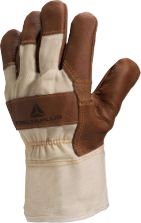
Leather gloves are well-regarded for their durability and protection. Often made from cowhide, pigskin, or goatskin, these gloves are great for tasks that require a high level of protection against abrasions and cuts, such as construction or welding. Leather gloves also provide excellent heat resistance, making them suitable for tasks involving high temperatures.

Anti-vibration Gloves

Anti-vibration gloves are designed to protect hands from the damaging effects of vibration, common in tasks involving power tools or heavy machinery. These gloves feature specially designed padding in the palms and fingers to absorb and disperse vibrations, reducing the risk of Hand-Arm Vibration Syndrome (HAVS).

Turned Grain Palm Gloves

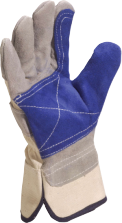
Turned grain palm gloves, often referred to as split leather gloves, feature leather on the palm side and a different material on the back, often cotton or another type of fabric. The leather provides excellent durability and abrasion resistance, while the other material helps to increase breathability and flexibility. They are typically used in construction, landscaping, or any job requiring heavy lifting.

Choosing the right type of heavy-duty gloves will largely depend on the specific tasks you need to perform. Ensure that the gloves you choose are up to the task and provide the level of protection you need. Remember that hand protection is a crucial aspect of workplace safety, so never compromise on the quality of your gloves.

Example Text

Example Rich Text